
Precious Metals News
Reshaping the Global Macroeconomic Landscape: Opportunities and Challenges in the Precious Metals Market
This article provides an in-depth analysis from a macroeconomic perspective on the key factors, transmission mechanisms, possible scenarios, and potential risks affecting the precious metals market, offering investors comprehensive market insights and investment recommendations.
August 10, 2026
·
165 reads
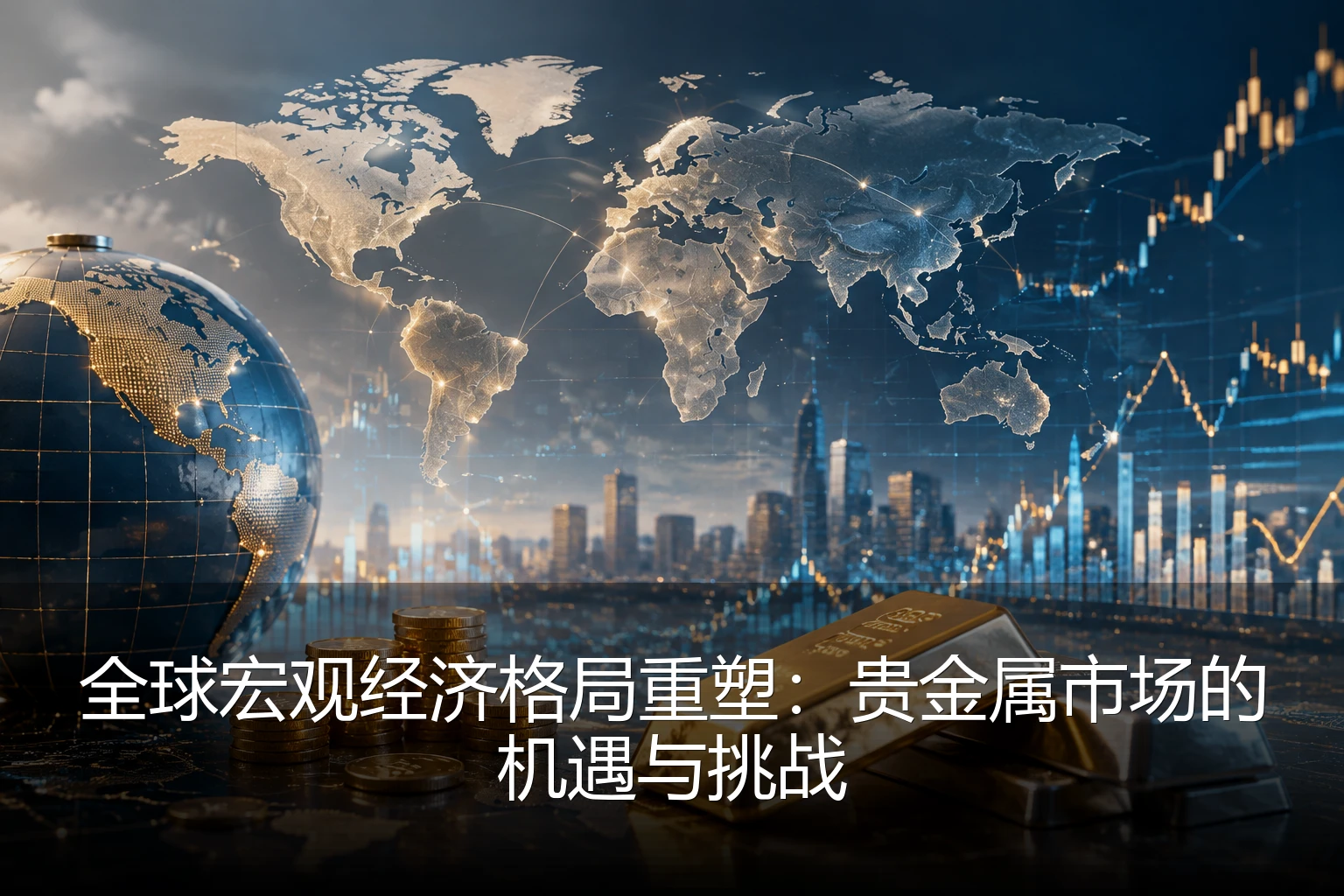
Precious metals markets are an important barometer of the global economic situation, with gold and silver, as traditional safe-haven assets, often favored by investors during periods of economic uncertainty. As the global economic landscape continues to evolve, especially in the post-pandemic economic recovery, escalating geopolitical tensions, and diverging central bank monetary policies, the precious metals market is facing unprecedented opportunities and challenges. This article will analyze the key factors, transmission mechanisms, potential scenarios, and underlying risks affecting the precious metals market from a macroeconomic perspective.
## I. Macroeconomic Drivers Affecting the Precious Metals Market
The price of precious metals is influenced by various macroeconomic factors, mainly including the following aspects:
### 1. Inflation Expectations and Actual Inflation Rate
Inflation is one of the core factors affecting precious metal prices. Precious metals, especially gold, have historically been viewed as an effective tool against inflation. When inflation rises, investors tend to buy precious metals to preserve value, pushing prices up. Currently, many countries face inflationary pressures, especially rising production costs due to energy price volatility and supply chain disruptions, providing support for precious metals.
### 2. Real Interest Rate Levels
The real interest rate (nominal interest rate minus inflation rate) has a significant impact on precious metal prices. In a high real interest rate environment, the opportunity cost of holding precious metals increases, and investors may shift to assets with higher returns, leading to downward pressure on precious metal prices. Conversely, a low or negative real interest rate environment reduces the opportunity cost of holding precious metals, boosting prices. Currently, the real interest rates in major global economies are at historic lows, creating a favorable environment for the precious metals market.
### 3. Dollar Exchange Rate Trends
The US dollar and precious metal prices usually have a negative correlation. When the dollar strengthens, precious metals priced in dollars become more expensive for holders of other currencies, potentially leading to decreased demand; when the dollar weakens, it lowers the relative price of precious metals, stimulating demand. Increased volatility in the dollar index has become a significant factor influencing precious metal prices in recent years.
### 4. Global Economic Growth Prospects
Economic growth directly affects industrial demand for precious metals, especially silver and platinum group metals. Strong economic growth usually implies increased industrial activity, thereby increasing demand for these metals. Simultaneously, economic growth affects investors' risk preferences; when economic growth prospects are favorable, investors may lean towards risk assets rather than safe-haven assets.
### 5. Geopolitical Risks
Geopolitical tensions often trigger safe-haven sentiment, driving demand for safe-haven assets like gold. Currently, the conflict in Ukraine, tensions in the Middle East, and the uncertainty in US-China relations have all increased geopolitical risks, providing support for the precious metals market.
## II. Transmission Logic of Macroeconomic Factors to the Precious Metals Market
The impact of macroeconomic factors on the precious metals market is not direct but occurs through complex transmission mechanisms:
### 1. Asset Allocation Channel
Changes in the macroeconomic environment affect investors' asset allocation decisions. For example, in an environment with high inflation and low real interest rates, investors may increase the proportion of precious metals in their portfolios to hedge against inflation risk and seek stable returns. This asset allocation behavior directly drives up demand for precious metals.
### 2. Central Bank Actions Channel Central bank monetary policy directly influences the precious metals market. When central banks implement loose monetary policies, increased liquidity often pushes precious metal prices higher; conversely, tightening policies may suppress precious metal prices. Furthermore, actions by some central banks to increase gold reserves can directly affect the supply and demand balance in the gold market.
### 3. Safe-haven Demand Channel
When macroeconomic uncertainty increases, investors tend to shift towards safe-haven assets, and gold, as a traditional safe-haven tool, sees its demand increase accordingly. This transmission of safe-haven demand is particularly evident during economic crises, financial market turmoil, or geopolitical conflicts.
### 4. Real Demand Channel
Changes in the macroeconomic environment affect industrial demand for precious metals. For example, a slowdown in economic growth may lead to decreased demand for gold and silver in industries such as jewelry and electronics, while the development of new energy industries could increase demand for platinum group metals.
## III Outlook for the Precious Metals Market under Macroeconomic Conditions
Based on the current macroeconomic environment, we can foresee several possible scenarios for the precious metals market:
### 1. Persistent High Inflation Scenario
If global inflation remains above central bank targets and real interest rates remain low, precious metals, especially gold, may see a new round of price increases. In this scenario, the store-of-value attribute of gold will be favored by investors, and prices may break historical highs. Silver, which has industrial attributes, may also benefit from the inflationary environment, but volatility may be greater.
### 2. Economic Recession Scenario
If the global economy enters a recession, safe-haven demand may drive gold prices up. However, economic recessions are usually accompanied by a decline in industrial demand, which may put pressure on industrial precious metals like silver. Furthermore, severe recession might lead central banks to implement extremely loose monetary policies, further supporting gold prices.
### 3. Monetary Policy Normalization Scenario
If central banks successfully control inflation and begin a tightening cycle, rising real interest rates may put pressure on precious metal prices. However, this pressure might be partially offset by increased industrial demand due to improved economic growth. In this scenario, the precious metals market may become differentiated, with gold facing downside pressure, while industrial precious metals like silver and platinum group metals may perform relatively better.
### 4. Geopolitical Crisis Scenario
Escalation of geopolitical tensions may trigger a surge in safe-haven sentiment, driving increased demand for safe-haven assets like gold. Especially if the crisis involves major economies or affects global energy supply, it could further exacerbate inflationary pressures, creating a dual positive effect for precious metals.
## IV Risks and Challenges Facing the Precious Metals Market
Despite the optimistic outlook for the precious metals market, it faces multiple risks and challenges:
### 1. Policy Risk
Monetary policy shifts by central banks may impact the precious metals market. Especially if major central banks like the Federal Reserve adopt contractionary policies beyond expectations, it could lead to a rise in real interest rates, putting pressure on precious metal prices.
### 2. Liquidity Risk
Against the backdrop of increasing volatility in global financial markets, the precious metals market may face a risk of insufficient liquidity. Especially when market panic spreads, investors may be forced to sell precious metals to meet margin requirements, leading to significant price fluctuations.
### 3. Substitute Competition With the diversification of financial innovation and investment tools, precious metals face competition from other asset classes. For example, some crypto assets are viewed by some investors as "digital gold," potentially diverting some safe-haven funds.
### 4. Supply and Demand Imbalance Risk
Although supply and demand factors may not be the main determinants of price in the short term, in the long term, the limited nature of mineral resources, rising extraction costs, and growing demand in emerging markets may lead to supply and demand imbalances, affecting the price trend of precious metals.
## V. Conclusion and Investment Recommendations
The precious metals market is at a critical juncture of profound macroeconomic environmental change. Multiple factors such as inflation, real interest rates, the trend of the dollar, economic growth, and geopolitical risks are interwoven, shaping the future direction of the precious metals market. In the long term, against the backdrop of increasing global economic uncertainty and loose monetary policy, precious metals, especially gold, still hold allocation value. For investors, when allocating precious metal assets, should note the following points: First, precious metals should be viewed as part of a diversified investment portfolio, not all assets; second, the proportion of precious metal allocation should be dynamically adjusted according to changes in the macroeconomic environment; third, pay attention to geopolitical risk events and adjust safe-haven asset allocation when appropriate; finally, be mindful of the volatility risk in the precious metals market and avoid excessive leverage operations. Overall, the precious metals market will remain active for some time in the future, and investors should closely monitor macroeconomic changes, rationally assess risk and return, and make prudent investment decisions.
All content on this website is for study and exchange purposes only. We do not provide financial services including account opening, leveraged trading, discretionary asset management or insider trading. Do not trust any private messages on this site that recommend stocks or guide trading operations.
# Gold Price Trends
# Precious Metals Investment Strategy
# Precious Metals Market Analysis
# Precious Metals Price Forecast
# Silver Market Trends
# Precious metals safe-haven demand
# Precious Metals Macroeconomics
# Precious Metals Risk Warning
Previous
New Investment Opportunities in Platinum ETFs: Green Hydrogen Transformation Reshaping Platinum Group Metals Investment Landscape
NextASEAN Gold Demand Continues to Rise: Regional Economic Reshaping Global Gold Market Landscape